Commonly Used Technologies
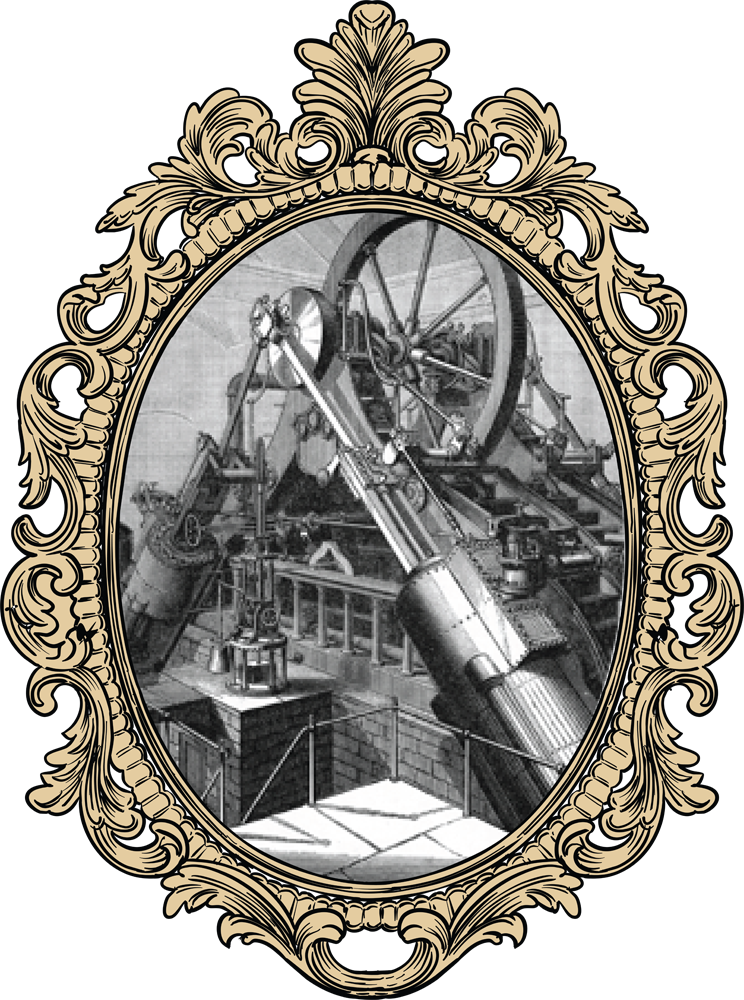
Steam Engine
Steam-powered trains allowed for quicker shipping. Railways paved across nations also allowed for quicker trade routes.
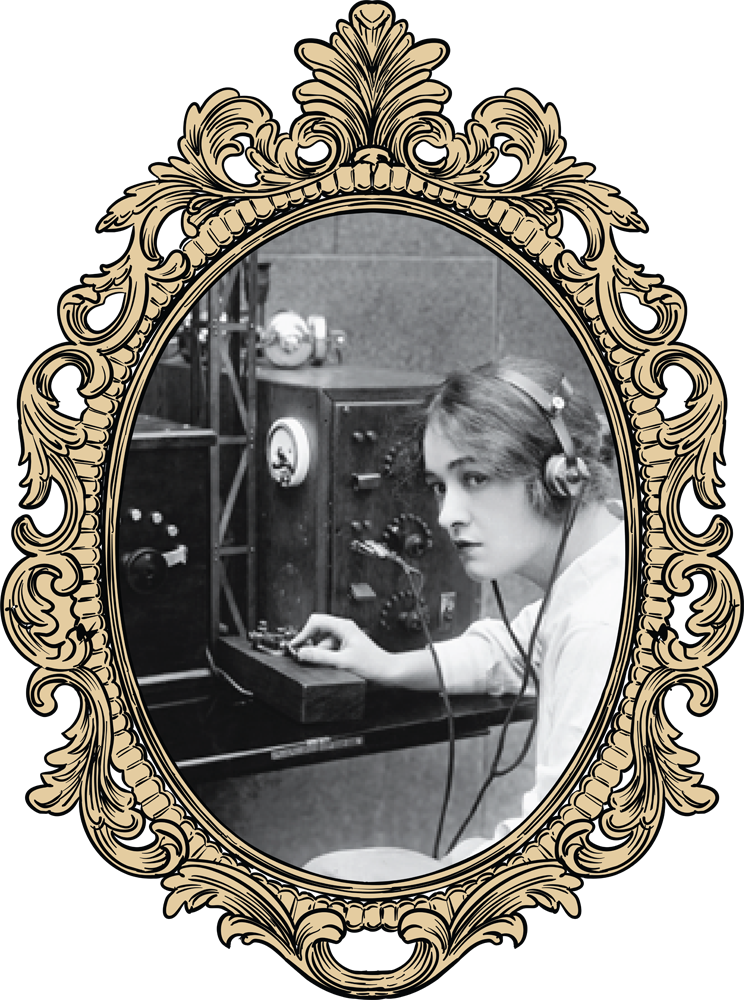
Telegraph
Telegraphs were faster than sending letters by mail. The invention of the electric telegraph allowed for even more efficient communication.
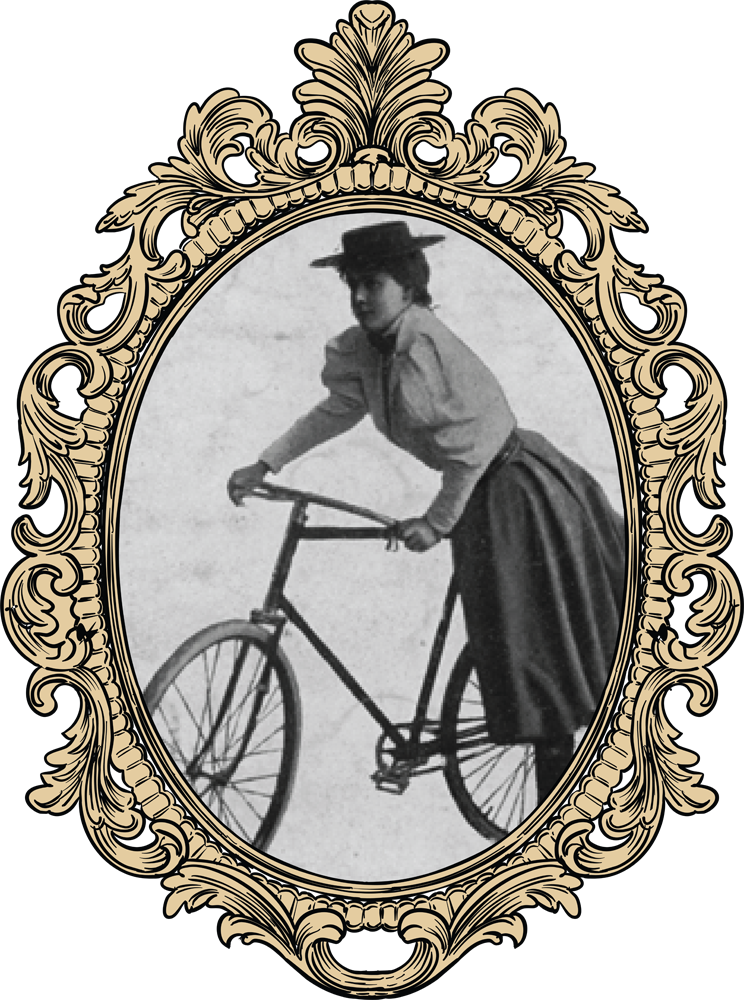
Bicycle
This Wright invention allowed for easy travel. The bicycle provided faster speed than walking, while being more affordable than cars.
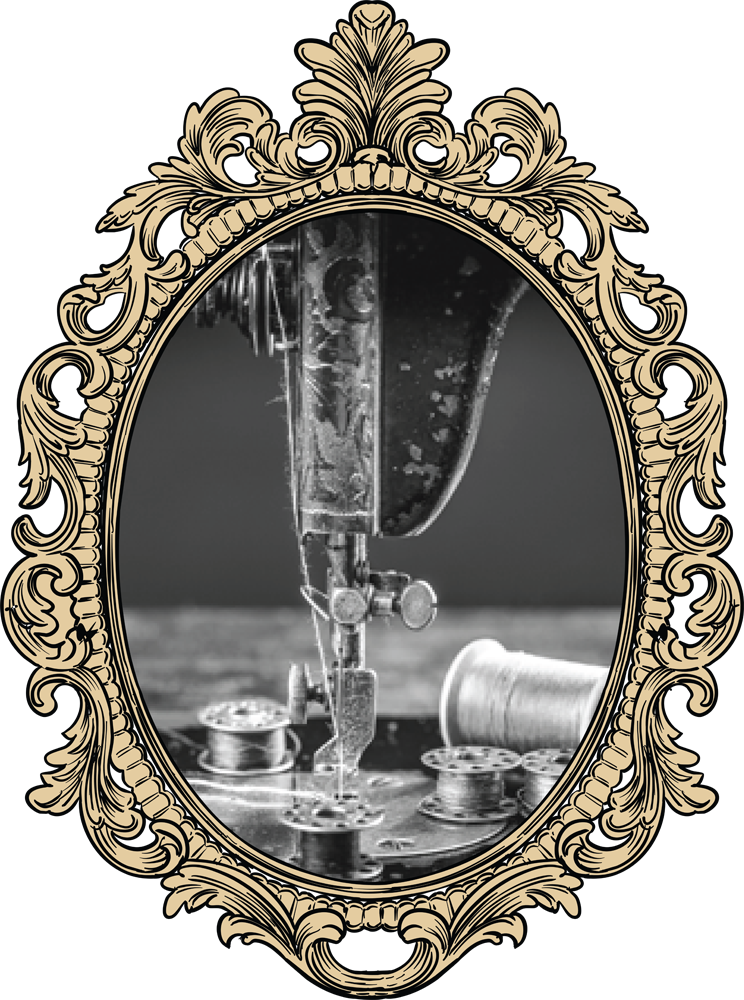
Sewing Machine
Sewing machines brought the technology innovations of the Industrial Revolution into the home. This was a life-changing addition to families.
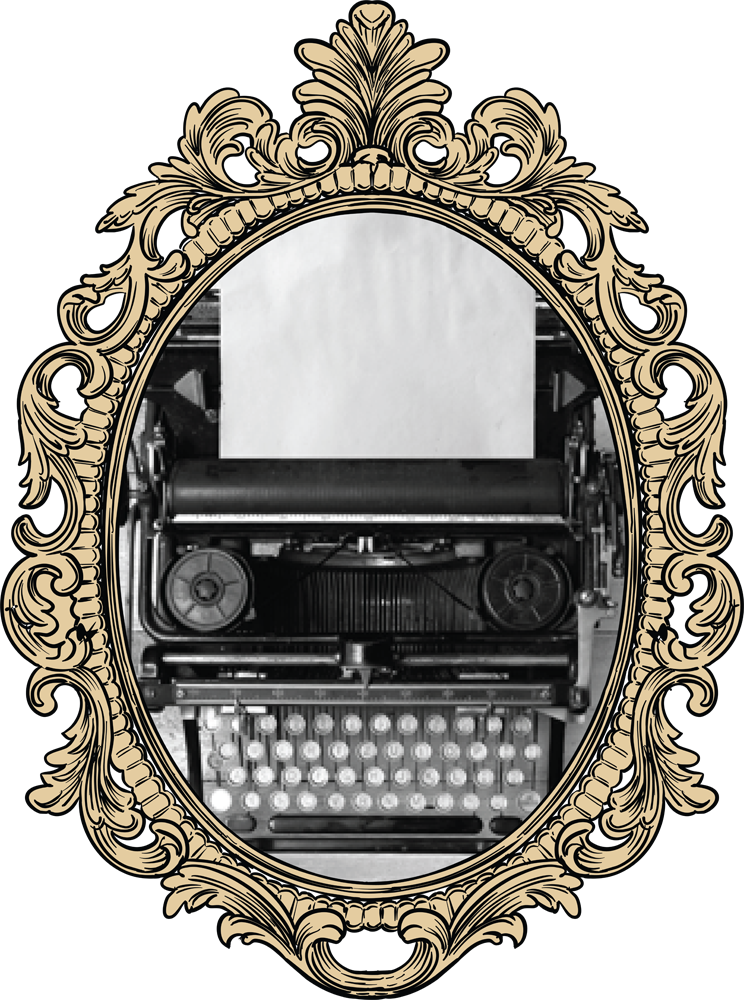
Typewriter
Typewriters were the original version of today’s computer keyboards. Invented in 1829, this allowed individuals to write much quicker than doing it by hand.
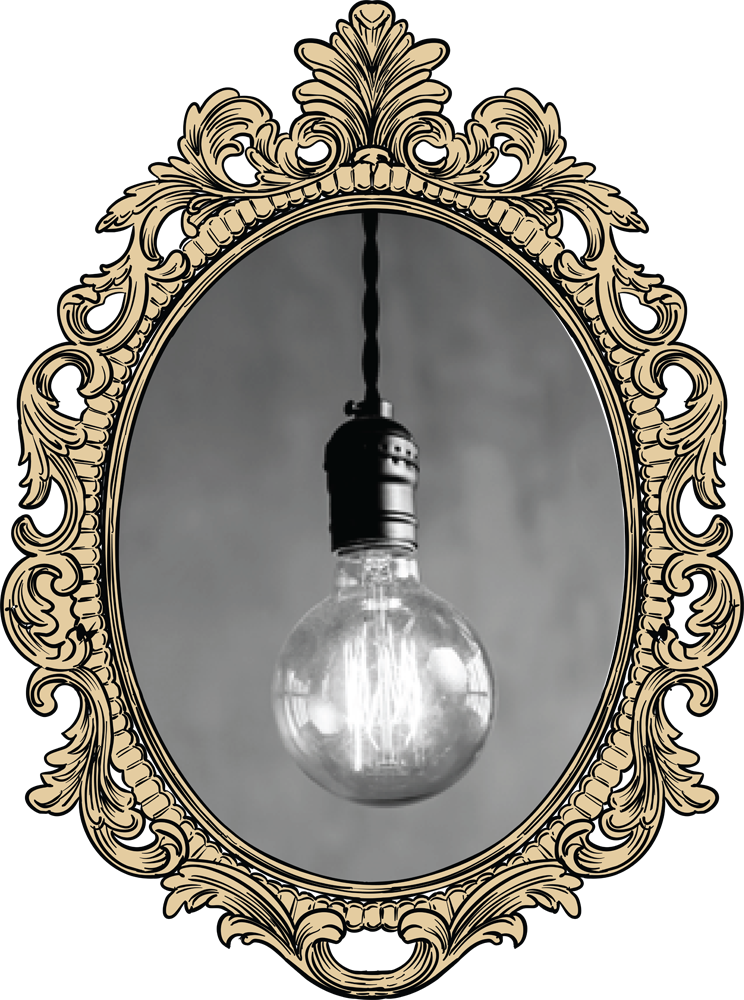
Light Bulb
Thomas Edison provided the world with the light bulb in 1879. Homes were then lit longer and safer than the previously used flammable oil lights.
Major Advancements
Telephone
Alexander Graham Bell patented the telephone in March of 1876. This technology was a huge development in quick, long-distance communication.
Cameras
The first photograph was taken in 1826 by French inventor Joseph Nicéphore Nicépce. Early photographs took hours to complete and were very different from today’s processes.
X-Rays
Wilhelm Röntgen discovered the X-Ray process in 1897. The German physicist made this discovery through experiments with black cardboard and cathode ray tubes.
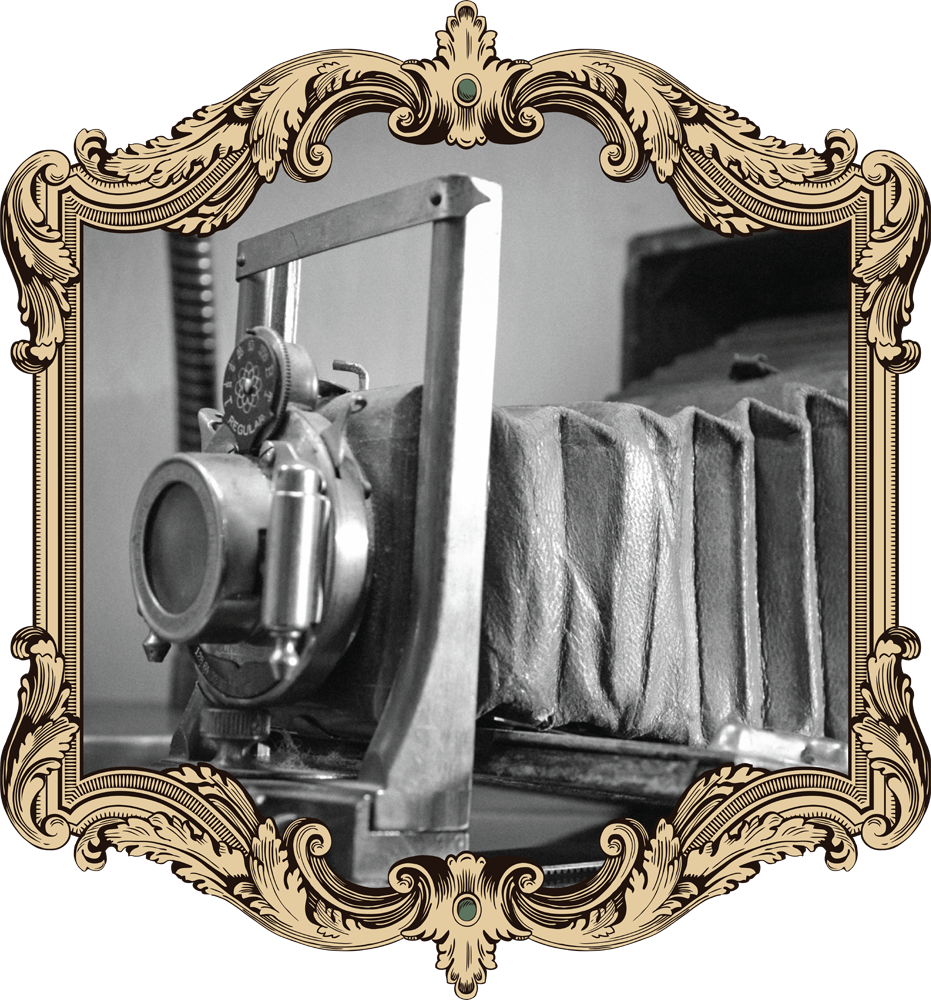
Victorian technology saw many advancements that led to a snowball-like effect of improvements. Competition between nations was common, especially due to the Great Exhibition and World Fairs. These events showcased new discoveries and technologies from all over the globe in one centralized location. Many new inventions during this time period, such as the camera, saw improvements in quality and speed. These advancements, improvements, and new ideas paved the way for a future of even more innovation.