project3

What is the Victorian Era?

The Victorian Era, named after Queen Victoria’s reign in Britain, was a period of remarkable change, innovation, and contrast. Spanning from 1837 to 1901, it marked the height of the British Empire and a time of rapid industrial growth, scientific discovery, and social transformation. Steam power, the railways, and new inventions revolutionized daily life, while cities expanded and the middle class flourished.

Victorian society was defined by strict moral codes, elaborate fashions, and a fascination with science, exploration, and the supernatural. Step back into the Victorian Era and discover a world of innovation, contradiction, and enduring cultural legacy.
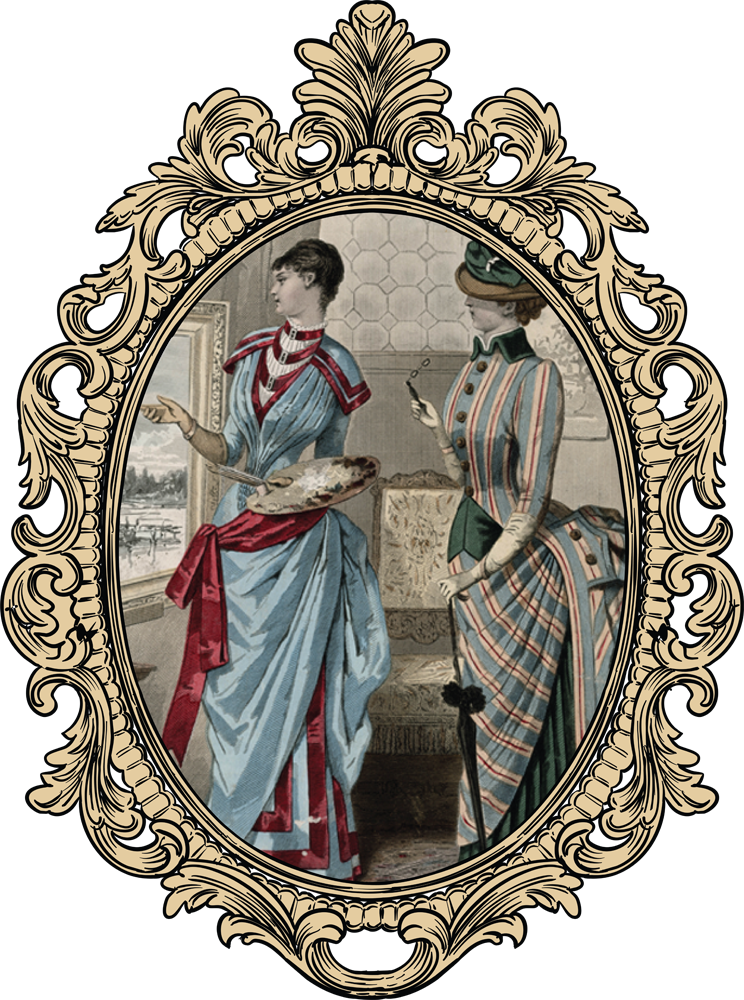
painting of two Victorian women

The Richer and the Poorer

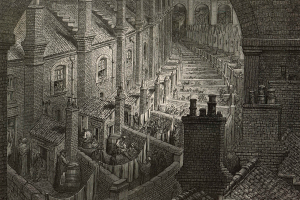
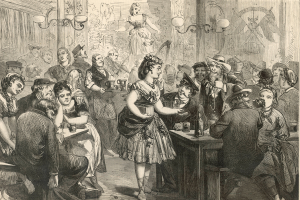
The rich and poor lived drastically different lives during this time period. The wealthier were known as the Bourgeoise, while the working class was known as the Proletariats. Wealthier folk tended to have a greater access to education, political influence, and owned the means of production. In contrast, working class individuals struggled to get by on a day-to-day basis. Many of the iconic Victorian imagery comes from the wealthier class, while the working class lifestyle is often forgotten. Despite this intense contrast between social classes, the Victorian era marked the rise in the Middle Class. During this time period, it became much more achievable to rise through social ranks and increase a family’s wealth. 

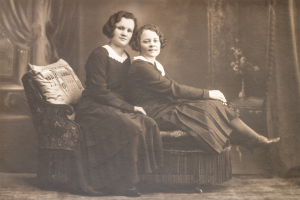
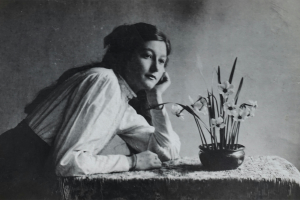
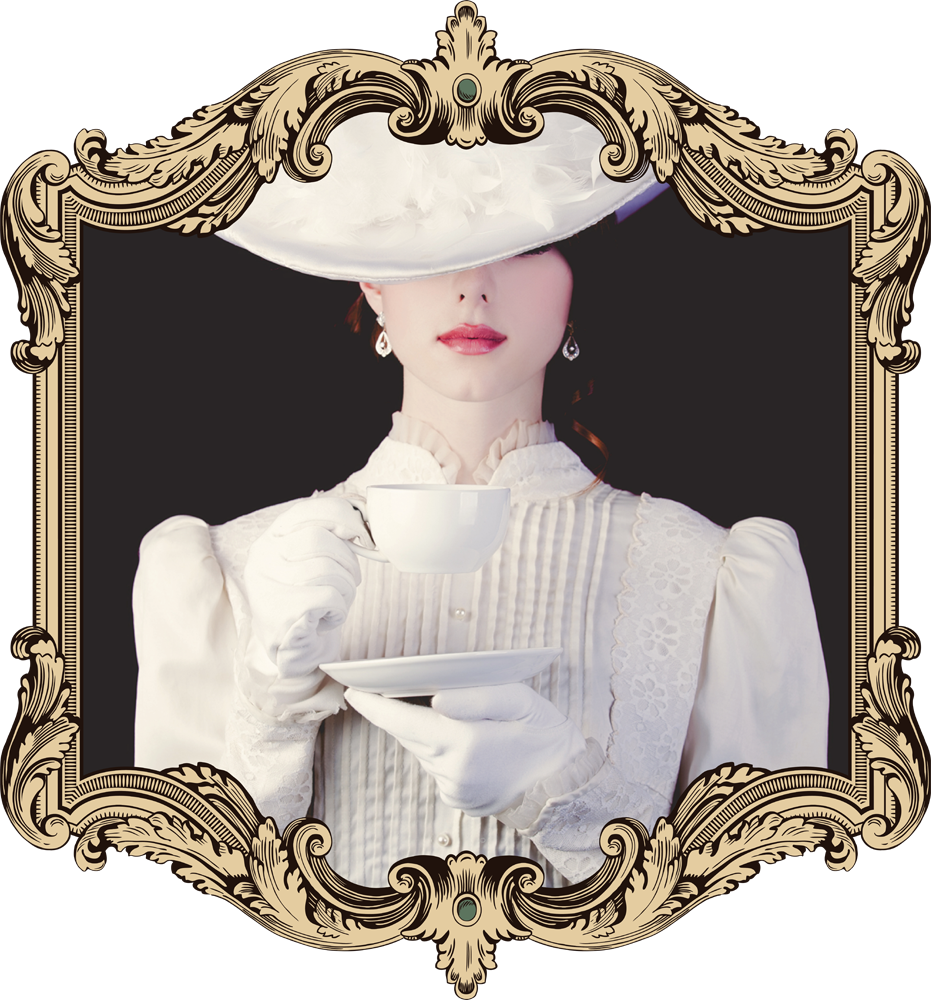
Victorian woman dressed in white