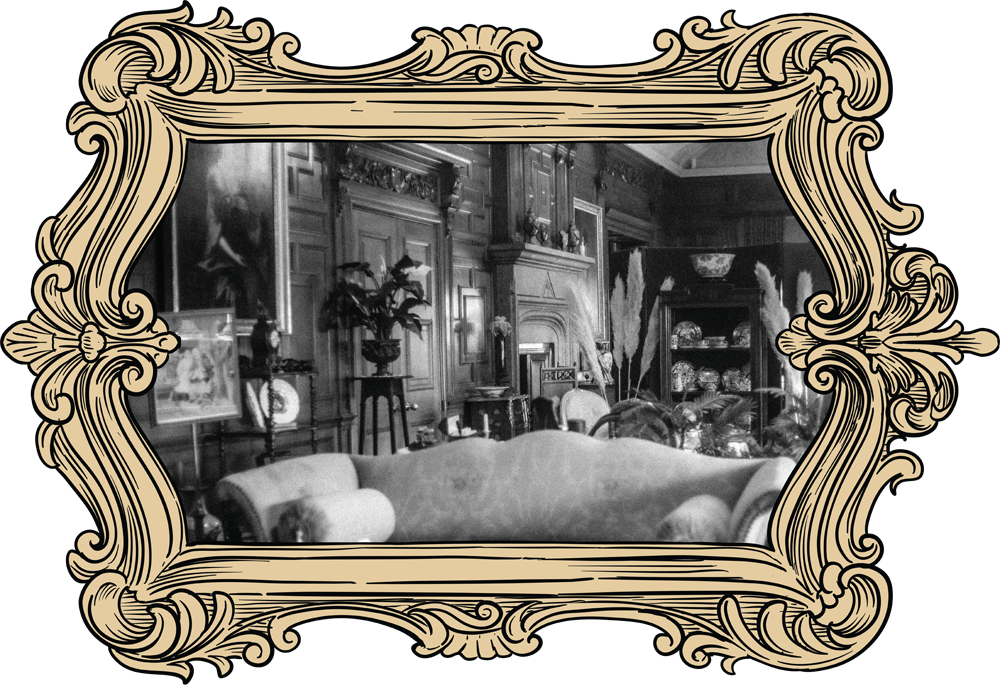
During the Victorian era, indoor recreation was an important part of daily life, especially in the colder months or for families who valued propriety and refinement. Parlour games were immensely popular, offering a chance for social interaction and light-hearted fun. Games such as charades, blind man’s buff, and snapdragon (a daring game involving raisins and flaming brandy) were common at gatherings. Card games like whist, cribbage, and solitaire appealed to both adults and older children, while board games such as The Mansion of Happiness, an early moral-themed precursor to The Game of Life, were enjoyed by families. Music also played a central role in indoor amusement; many households owned a piano, and family members would gather around to sing, perform, or listen to visiting musicians.
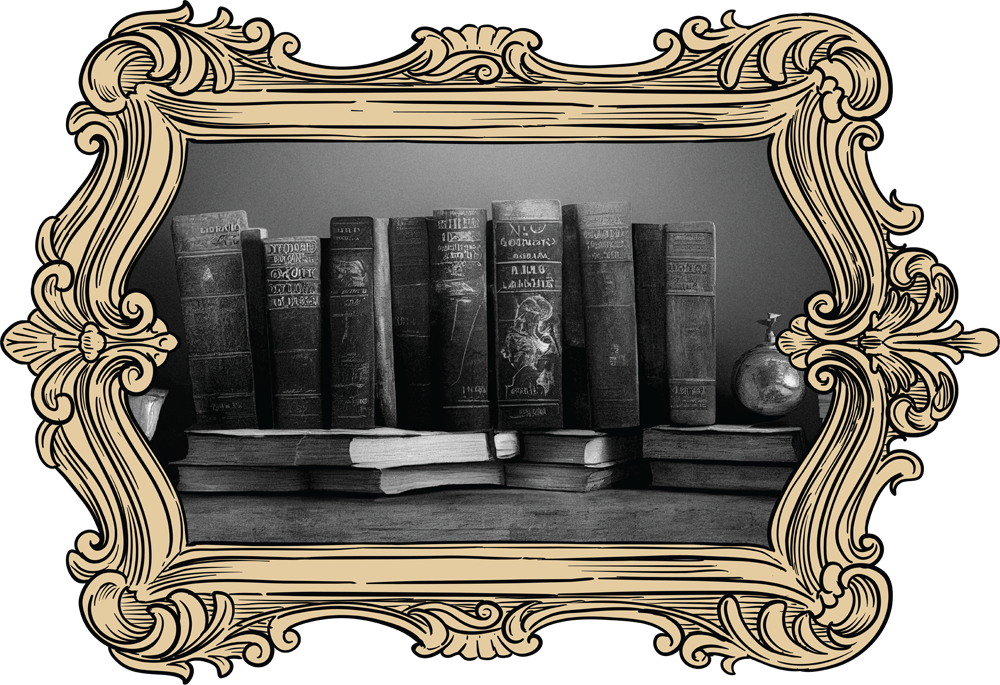
Reading was another favorite indoor pastime that reflected the intellectual spirit of the age. The Victorian period saw an explosion in literacy and printed materials, with serialized novels, poetry, and illustrated magazines being widely circulated. People often spent evenings reading aloud to one another, sharing the latest works by authors like Charles Dickens or the Brontë sisters. Needlework, sketching, and collecting items such as stamps, shells, or botanical specimens were also common pursuits, especially for women seeking both relaxation and a creative outlet. Whether through lively games, artistic expression, or quiet literary enjoyment, indoor recreation in the Victorian home balanced moral respectability with a growing desire for leisure and cultural enrichment.