

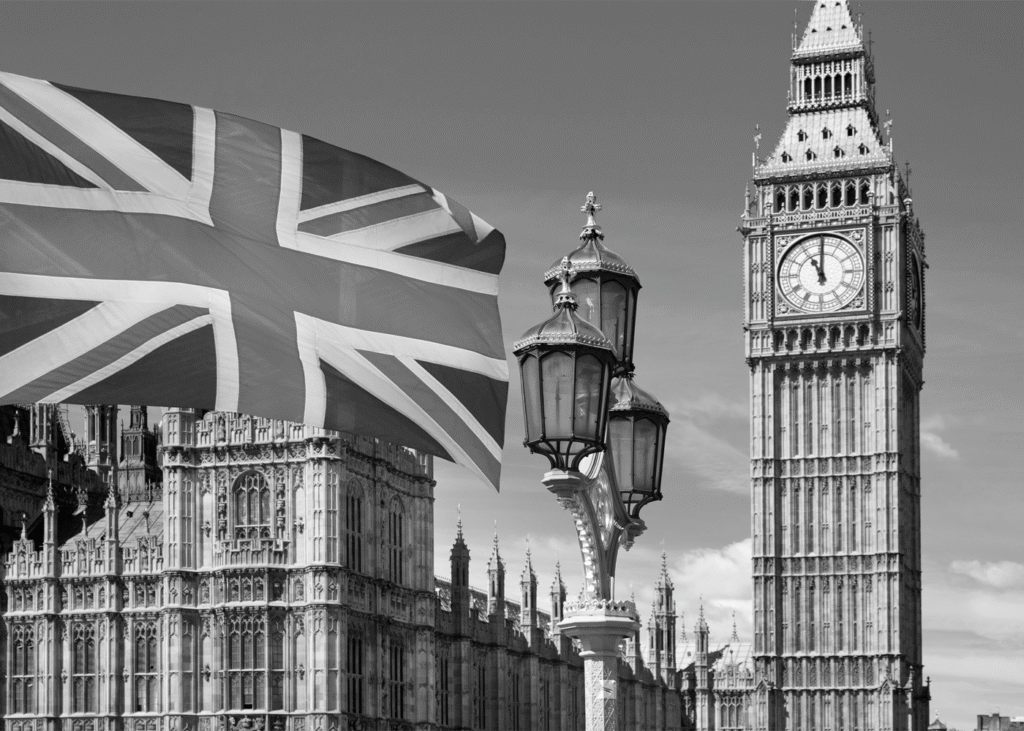
The British Empire abolishes slavery through the Slavery Abolition Act. This outlawed the buying, selling, and owning of humans as property.

Queen Victoria, the namesake of the Victorian era is officially crowned as Queen of the United Kingdom of Great Britain and Ireland.
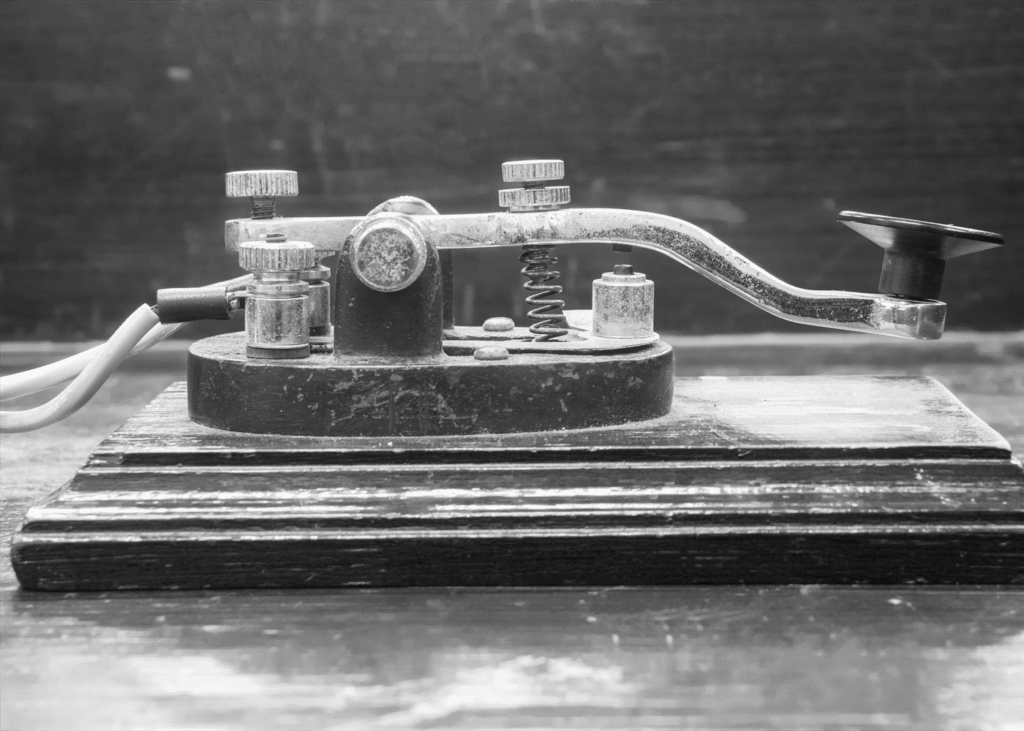
The first electric telegraph in history is sent. Sir William Cooke and Charles Wheatstone patented the technology in Britain, while Samuel Morse received the patent in the United States.

The London-Birmingham Railway is completed. The 112-mile railway was the first intercity railway through London.
The London-Birmingham Railway is completed. The 112-mile railway was the first intercity railway through London.

William Henry Fox Talbot patents the calotype. This process of using negatives to create multiple positives from one photograph is known for its hazy visual quality.

The Irish Potato Famine begins. This period of mass starvation, disease, and death lasted from 1845-1849 and took over 1 million lives.

The Great Exhibition opens in Hyde Park, London. The Exhibition, also known as the Crystal Palace Exhibition, showcased international advancements in technology. Other annual exhibitions continued afterwards.

The Vaccination Act of 1853 is passed in Britain. The Act required that all infants be vaccinated for smallpox within 3 months of birth. This legislation caused an anti-vaccination movement and ignited conversation about mandatory medical procedures.

The major combat of the Crimean War takes place. The war lasted from 1853-1856, and was caused due to religious disputes regarding Christian holy sites located in the Ottoman Empire. The war resulted in the signing of the Treaty of Paris in 1856, and the Black Sea being declared as neutral for naval activity.

Alexander Graham Bell patents the world's first telephone. This new technology soon spread throughout the world, encouraging many lifestyle changes including the addition of telephone lines throughout communities.
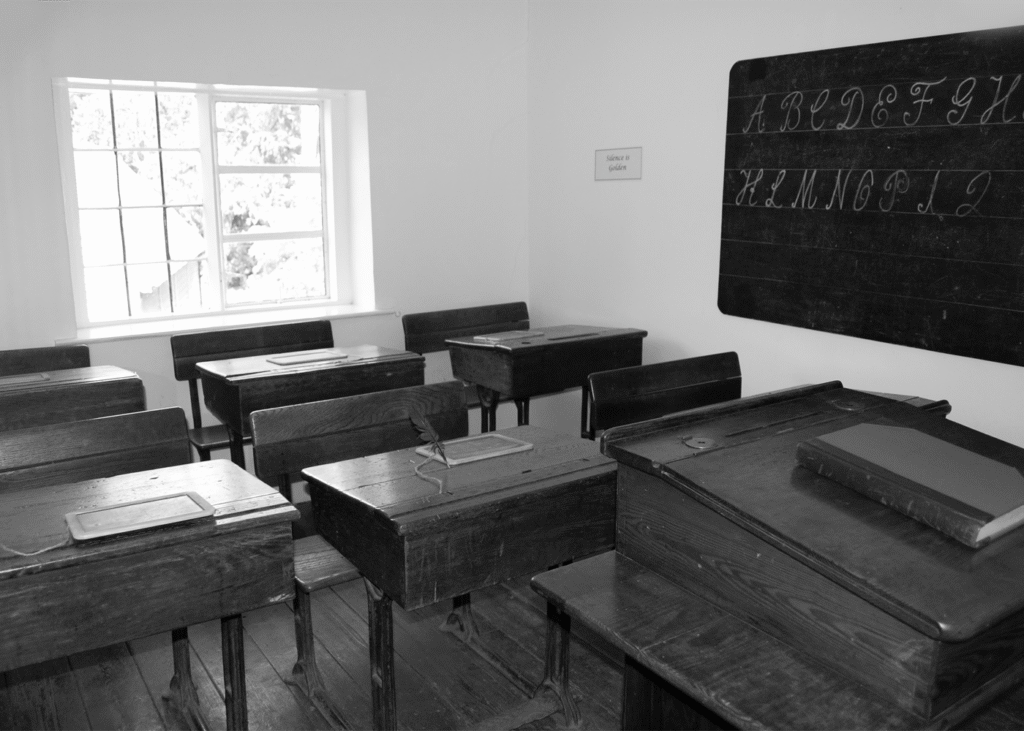
The Elementary Education Act of 1880 is passed. This legislation required children in England and Wales aged 5-10 to attend school.

London's infamous Jack the Ripper terrorized the streets of the Whitechapel district. The serial killer claimed the lives of five young women and was never identified by authorities.
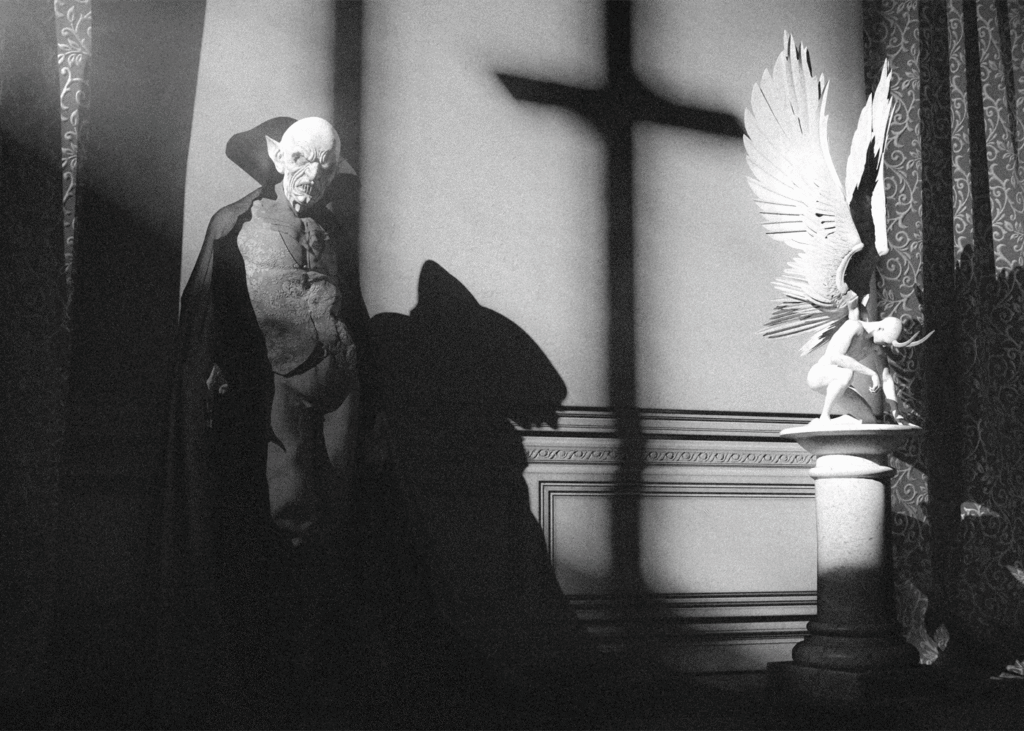
Bram Stoker publishes "Dracula." This popular novel shaped popular culture and created the well-known imagery of today's vampires. The novel was moderately successful at its release, but saw most of its impact much later in history.
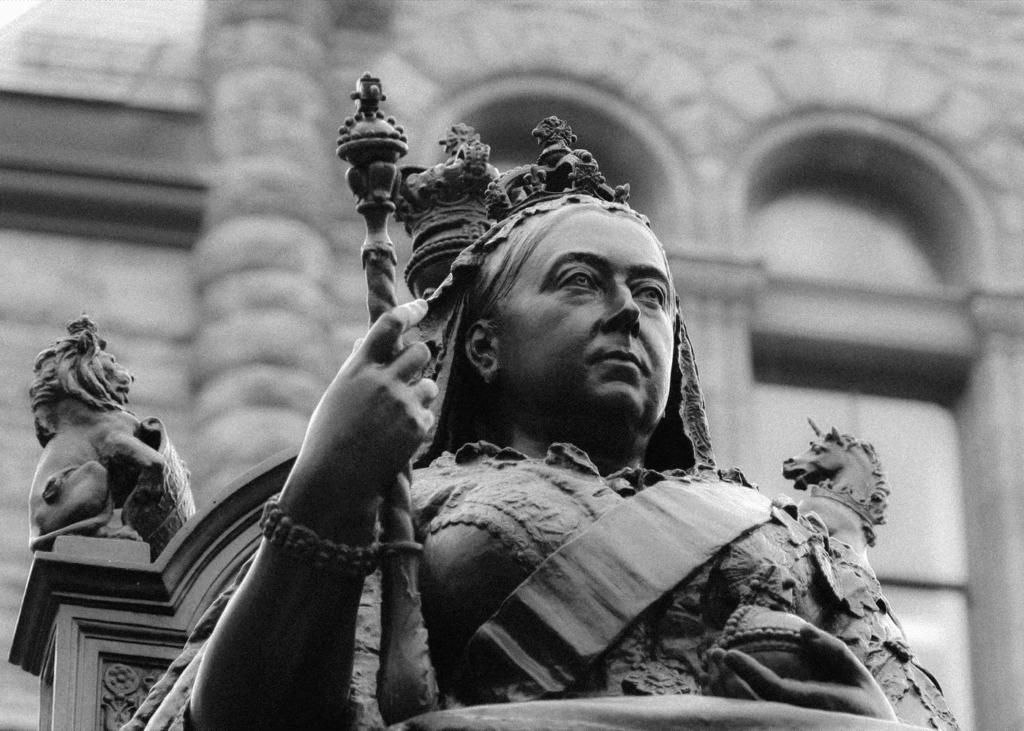
The beloved Queen Victoria dies. At her request, her pet Pomeranian, Turi, was laid on her deathbed. She was succeeded by her son, King Edward VII. Queen Victoria was the longest-reigning British monarch except for Queen Elizabeth II.