
Indoor Activities

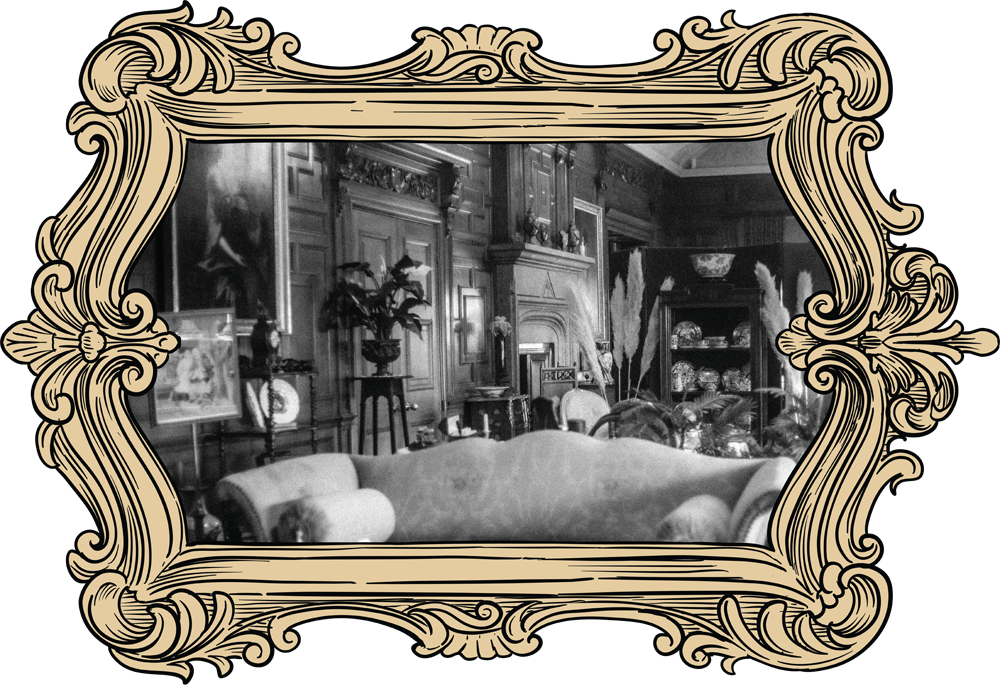
During the Victorian era, indoor recreation was an important part of daily life, especially in the colder months or for families who valued propriety and refinement. Parlour games were immensely popular, offering a chance for social interaction and light-hearted fun. Games such as charades, blind man’s buff, and snapdragon (a daring game involving raisins and flaming brandy) were common at gatherings. Card games like whist, cribbage, and solitaire appealed to both adults and older children, while board games such as The Mansion of Happiness, an early moral-themed precursor to The Game of Life, were enjoyed by families. Music also played a central role in indoor amusement; many households owned a piano, and family members would gather around to sing, perform, or listen to visiting musicians.
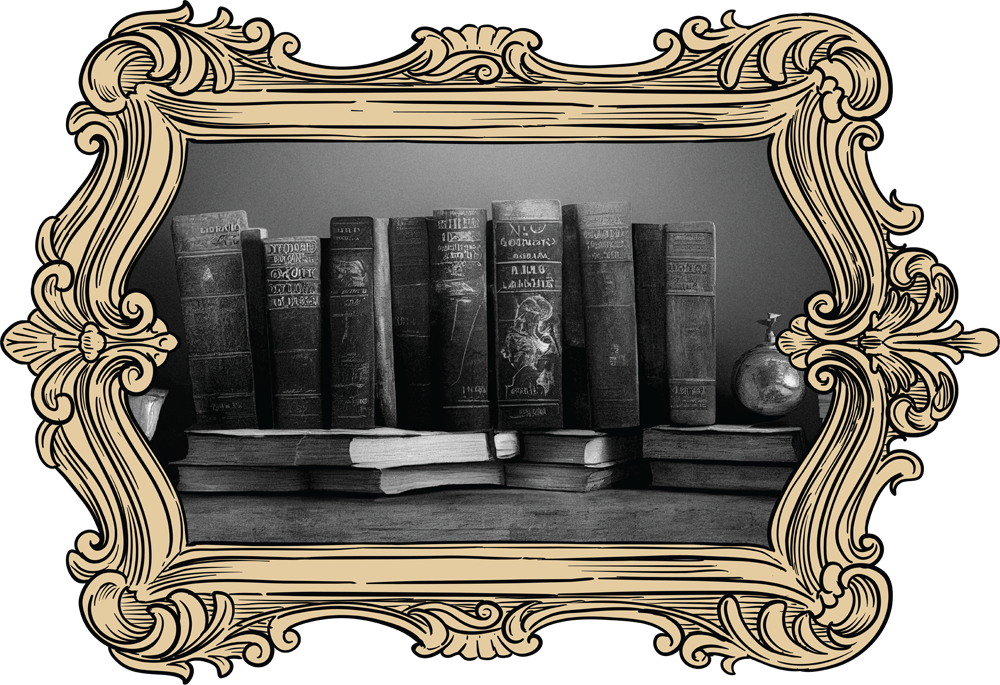
Reading was another favorite indoor pastime that reflected the intellectual spirit of the age. The Victorian period saw an explosion in literacy and printed materials, with serialized novels, poetry, and illustrated magazines being widely circulated. People often spent evenings reading aloud to one another, sharing the latest works by authors like Charles Dickens or the Brontë sisters. Needlework, sketching, and collecting items such as stamps, shells, or botanical specimens were also common pursuits, especially for women seeking both relaxation and a creative outlet. Whether through lively games, artistic expression, or quiet literary enjoyment, indoor recreation in the Victorian home balanced moral respectability with a growing desire for leisure and cultural enrichment.
Outdoor Activities
The arrival of the railways transformed life for Victorians, opening up a world of travel and leisure that had once been out of reach for most people. For the first time, ordinary families could afford to escape the cities and visit the seaside, countryside, or grand exhibitions that celebrated industrial progress. Resorts like Blackpool and Brighton flourished as trains carried eager day-trippers to new destinations, while sports teams and theatre troupes could travel farther afield to perform or compete. The railways didn’t just move goods, they carried curiosity, culture, and a new sense of adventure, reshaping how Victorians spent their free time.
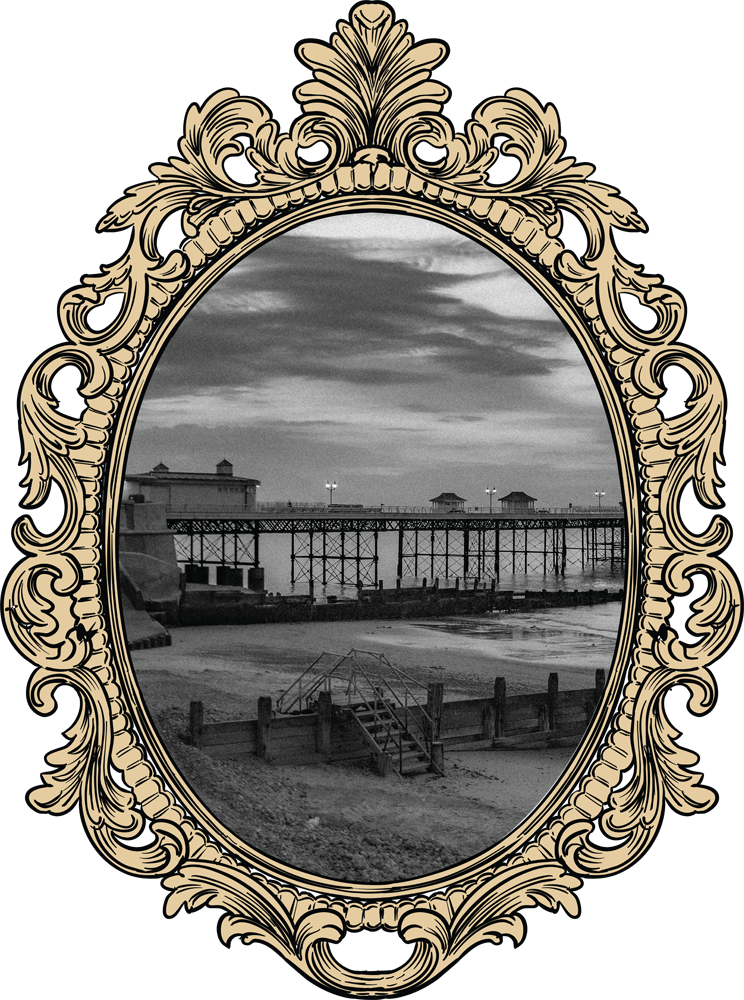
Seaside Visits
With the rise of the railways, trips to the seaside became a beloved pastime. Families enjoyed bathing machines, promenading along piers, and collecting seashells on the beach.
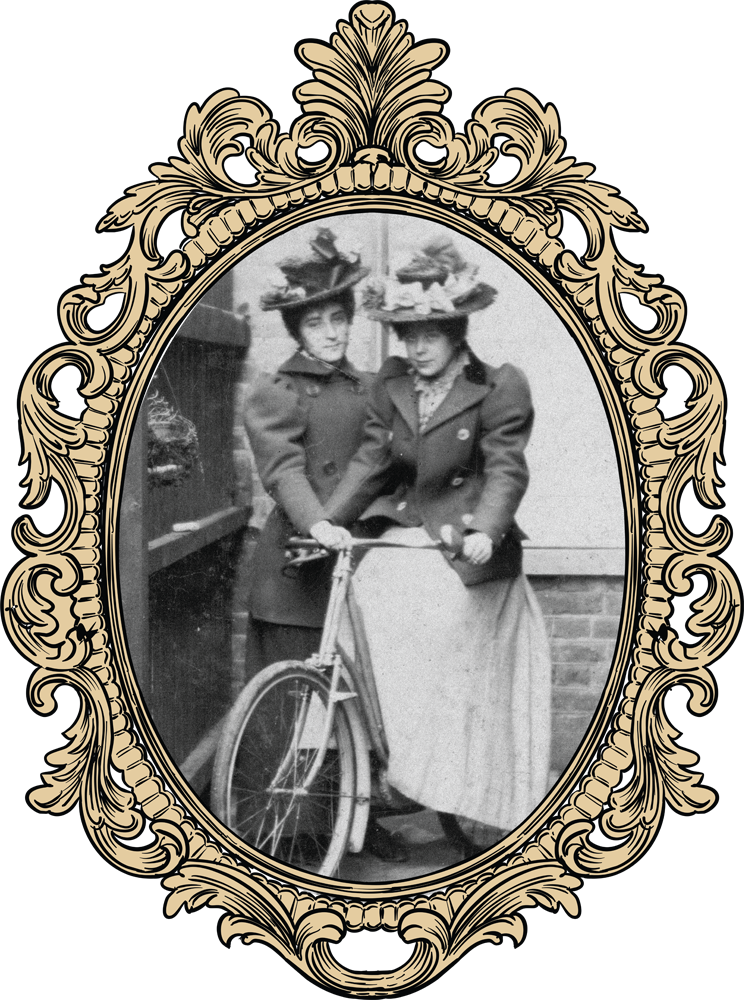
Cycling
The invention of the safety bicycle in the late 19th century made cycling a fashionable leisure activity for both men and women, symbolizing freedom and modernity.

Sports
Cricket was hugely popular across all classes, with local matches drawing enthusiastic crowds. Football, croquet, and lawn tennis also grew in popularity during this period.
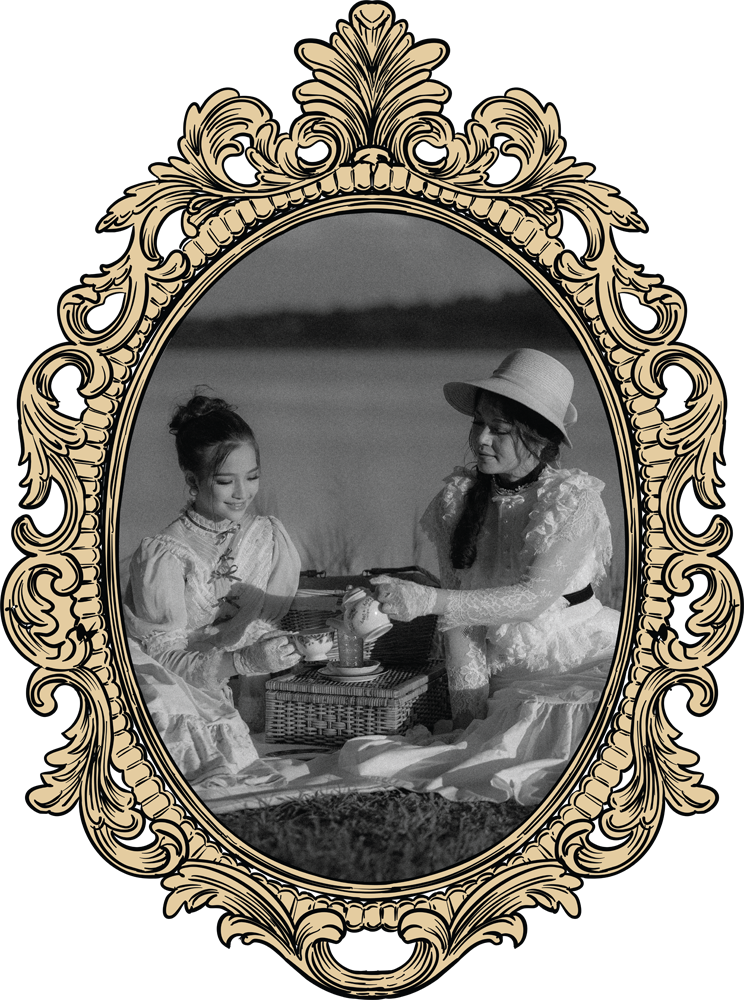
Picnics
Many Victorians found joy in the countryside, taking part in picnics, rambles, and nature walks inspired by the Romantic movement’s appreciation for the natural world.