Visual Arts and Literature
The Industrial Revolution provided new ways to not only create art in mass amounts, but to distribute art in mass amounts as well. Printmaking saw a unique style emerge during the Victorian times. Print shops would use posters showcasing an extremely wide variety of fonts to advertise their customization capabilities. However, lithography soon became just as popular as the traditional printing press method. Lithography firms were made up of many individual artists working towards one final piece. Artisans would use chemical reactions to etch visuals and lettering onto large stones that were then inked. This process also allowed for a great blending and layering of colored inks on the stone.
Lithography’s creation was based on the
fact that oil and water repel one another.
“Lithograph” comes from the Greek words
“lithos” and “graphien”, meaning “stone”
and “to write”
Lithography was originally used to print
musical scores and to create maps.
The Victorian era was marked by rapid change, especially when it came to literature. During this time period, the novel became the most popular form of literature to consume. Gothic themes, realism, and melodramas were the most popular genres. These stories included dramatic characters of heroes and villains. Poetry was another form of media that was popular, specifically in the romance genre. The Victorian era saw works of many famous authors, including Charles Dickens, Oscar Wilde, Lewis Carroll, and Bram Stoker. Victorian literature continues to be influential today as these authors’ legacies live on through their writing.
Theater and Music
Theater
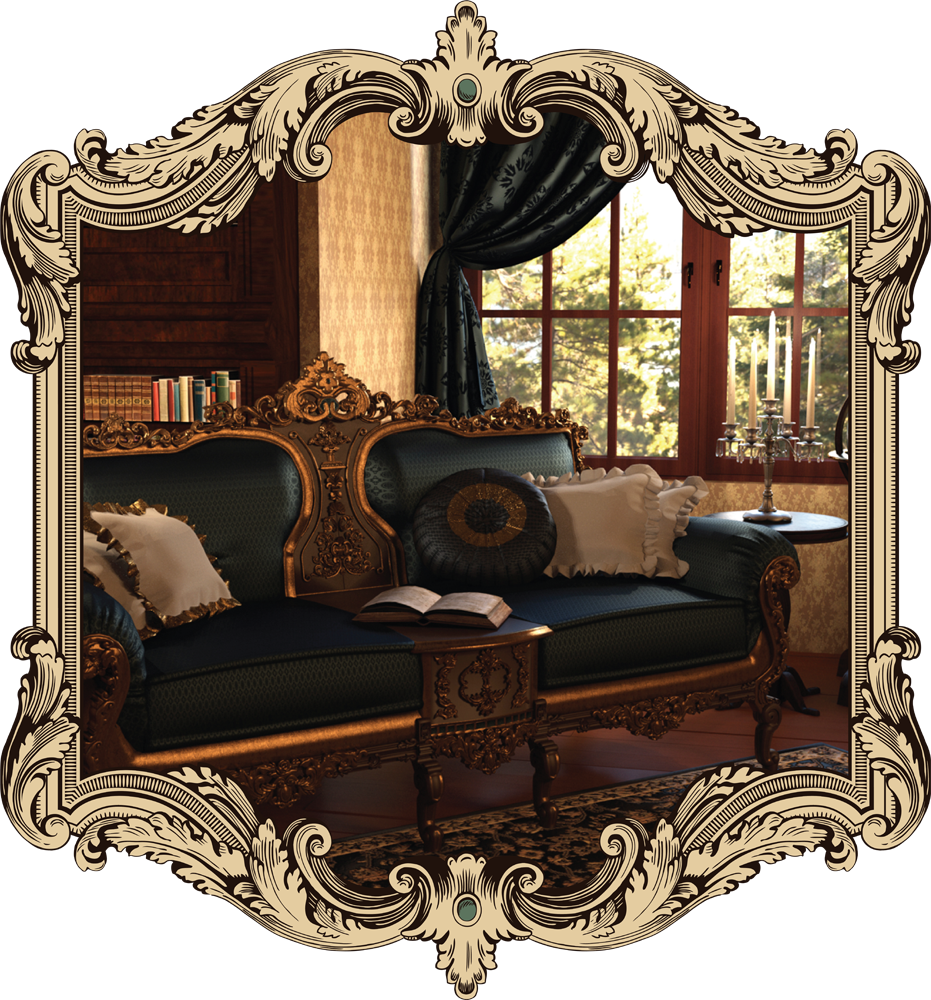
Theater offered Victorians an escape from reality. Without modern conveniences such as television and social media, theater was an immersive, artistic form of entertainment. Productions would often reflect social and economic changes going on. Popular genres included melodramas and musical comedies. “Comedy of manners” productions were used to poke fun at historical societal roles.
Music
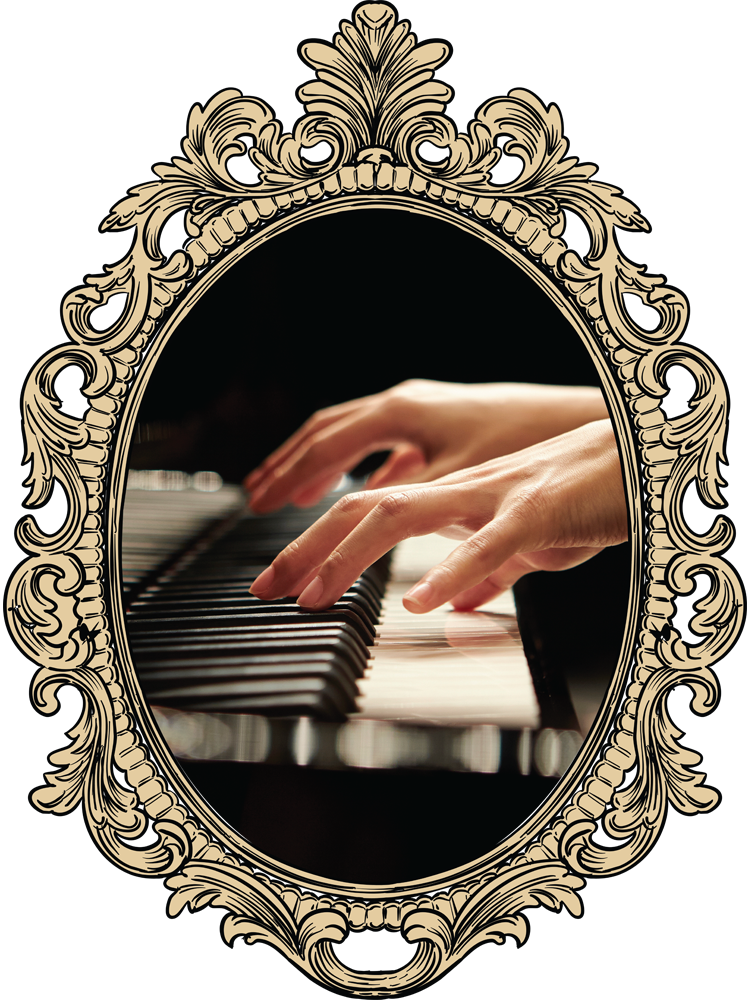
Music halls were another common way to spend leisure time in the Victorian era. While low-class individuals flocked to these music halls, music was a way for the wealthier to display their social status. Often, wealthier individuals would participate in listening in ornate drawing rooms. Romantic symphonies were often enjoyed by the upper class, while the lower class enjoyed lively folk music.